
The Strangest Things People Used as Money (Before Cash Existed)
Cowry Shells
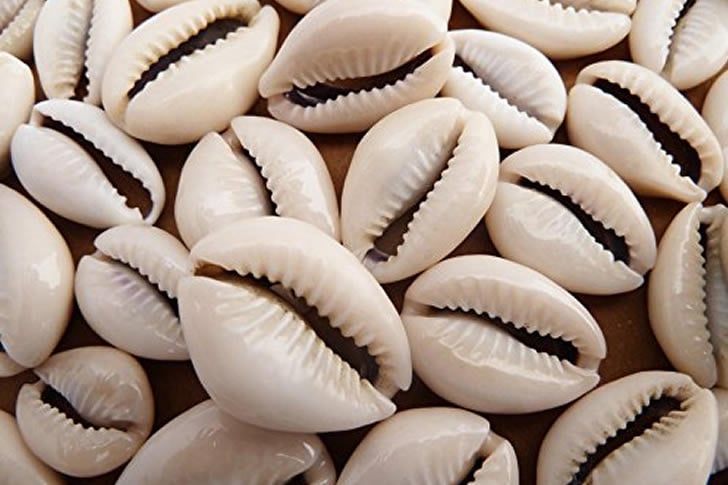
Before coins existed, cowry shells were one of the earliest and most widely used forms of money across Africa, Asia, and the Pacific. Their shiny, porcelain-like appearance made them attractive, and their durability made them practical. Cowries were small enough to carry but rare enough to be valuable, creating the perfect pre-cash currency. They were often strung together to make counting and transport easier—primitive wallets, if you will.
In some societies, cowries were so valuable that their trade was strictly regulated. The Chinese even cast bronze replicas for official use. Cowry shells’ influence on language endures: in Mandarin, the character for “money” still includes the cowry symbol. Today, these shells are seen as trinkets or decorations, but centuries ago, they bought slaves, land, and livestock—making them small objects with huge economic power.
Salt (a.k.a. White Gold)
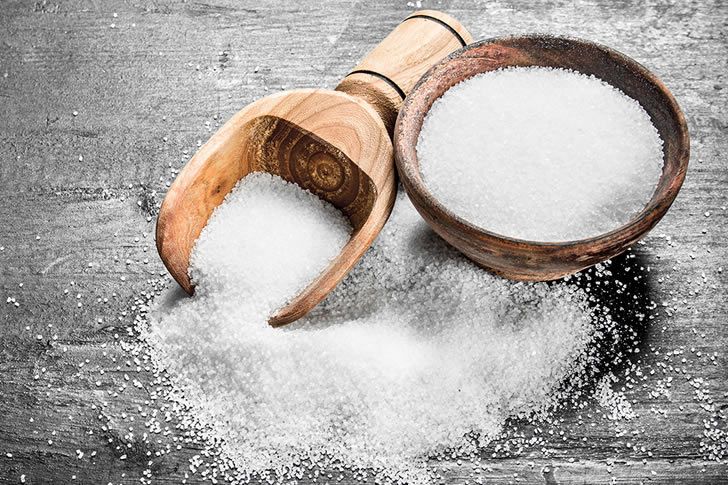
Salt wasn’t just a kitchen staple in the ancient world—it was wealth. Roman soldiers sometimes received their wages in salt, hence the origin of the word “salary.” In a world without refrigerators, salt was the only reliable way to preserve meat and other perishables. That made it crucial for survival and gave it incredible economic value.
Salt’s worth was so significant that entire cities rose and fell around salt trade routes. Wars were fought over salt mines, and monopolies were formed to control its distribution. In parts of Africa, salt slabs were even used as currency. So next time you casually pass the salt shaker at dinner, remember: you’re holding what was once a luxury item so precious, it shaped empires.